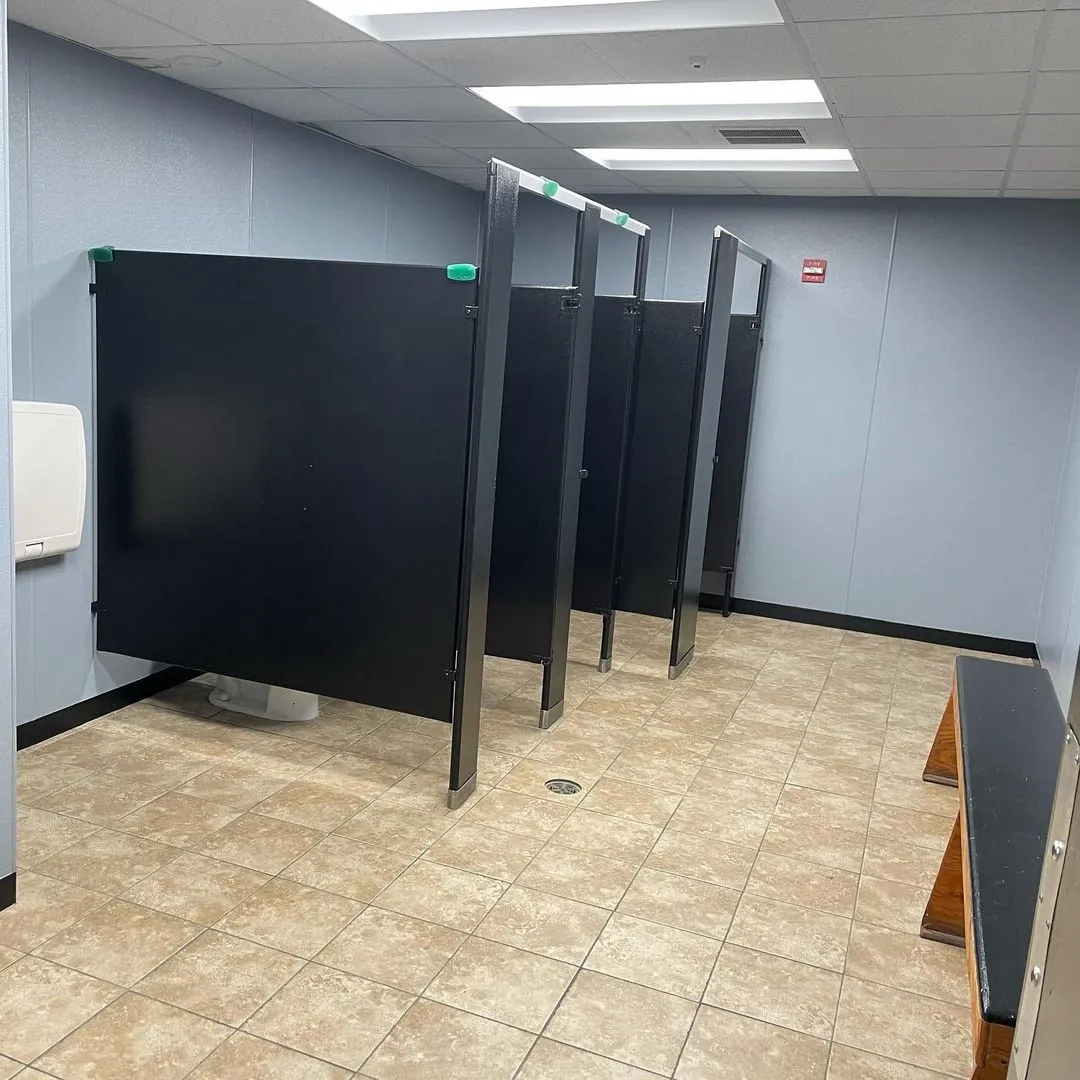
Commercial corridors often show wear at corners, door openings, and cart routes long before the middle of each wall needs attention. Observe how people and equipment move through the building before defining the repaint scope. The pattern can reveal contact problems that a new coating alone will not prevent.
Create a location-based repair list and identify which areas require complete wall coats for consistency. Coordinate temporary access with management and preserve required routes and signs. Select the coating through its intended use and compatibility with the facility’s cleaning procedures.
Use natural boundaries for phased work and inspect each released section before occupants return. Discuss protective details through the appropriate facility process where repeated impact is an issue. At handover, provide a product map and practical touch-up approach. Ongoing maintenance becomes easier when staff can distinguish ordinary surface wear from a recurring layout or equipment-contact problem.
Choose details that suit repeated contact
In busy areas, wear often concentrates below shoulder height, beside handles, and along corners. Observe how people and equipment move through the space before choosing a coating or repair scope. Carts, bags, chairs, and cleaning tools can produce different kinds of damage. Addressing the source of contact may be as valuable as changing the paint.
Select a coating whose intended use and maintenance guidance fit the surface. Prepare damaged areas properly so the finish has a sound base. If protective hardware or guards are part of the plan, coordinate their installation and appearance before painting. Do not add attachments to regulated or specialized assemblies without the appropriate approval.
Use an approved sample to evaluate color, sheen, and cleaning response. Keep expectations realistic: a durable coating still needs suitable care and cannot prevent damage from repeated impact. After completion, review the first areas that show wear and adjust the maintenance or furniture arrangement if necessary. Product records and a consistent touch-up method make this ongoing attention more efficient.
Define when each area becomes available again
For every occupied-space phase, name the area that closes and the conditions for reopening it. Preparation, coating, ventilation, cleaning, and inspection may all affect availability. Describing only the application date leaves occupants without a reliable way to plan their routines.
Map the alternative routes and temporary locations for belongings before work starts. Keep required access and building functions coordinated through the responsible person. Communicate changes in plain language and use a visible work boundary rather than expecting people to recognize which surfaces are still vulnerable.
At the end of a phase, remove loose equipment and coverings, check the agreed finish details, and confirm product-specific return-to-use requirements. Protect completed areas from the next phase’s traffic and storage. Keep one contact responsible for approving changes so the plan does not fragment into conflicting requests. A phased repaint succeeds when each released area is both visually complete and practically usable within its documented limits, with the remaining work still clearly separated.
Connect the commercial finish schedule to daily operations
For each area, record what touches the surface and how it is maintained. Include cleaning products, carts, furniture, frequent hand contact, and any unusual exposure. These observations help the responsible staff and manufacturer select a suitable system more effectively than a generic request for durable paint.
Write the specification by substrate and location. Name preparation, repair limits, primer, finish, color, and sheen, and identify excluded equipment or specialized assemblies. If technical performance is required, have it specified through the appropriate expertise rather than attaching a performance claim to ordinary decorative work.
Approve a representative sample and establish how substitutions will be reviewed. Keep the accepted system consistent across phases and document any change before application. At handover, convert the specification into a practical maintenance map with curing and cleaning guidance. This gives facilities staff enough information to order compatible materials and assess later repairs. A well-described system supports predictable work without pretending that one coating or sheen name answers every operational condition in the building.
Use a location-based repair list for larger projects
Large properties benefit from a repair list that can be understood without a verbal tour. Assign each area a clear name and record the defect, approximate location, and agreed treatment. Photographs help, especially where several rooms look similar. Separate cosmetic damage from conditions that require another trade or further investigation.
Review the list before preparation begins and update it when concealed conditions appear. Changes should be specific and approved through the agreed contact. Avoid allowing a growing collection of informal requests to replace the written scope. That makes it difficult to know whether an item was included, postponed, or completed.
Inspect repaired areas before final coating, then revisit the same list during handover. Mark resolved items and record any maintenance observations. A location-based record also helps future staff recognize whether a crack, stain, or wear pattern is returning. It turns the finishing project into useful building information without making unsupported promises that every defect has been permanently eliminated.
Write a finish boundary for every project phase
Sketch the complete project and mark where each work stage ends. Use architectural divisions such as corners, doorways, rooms, or full elevations where practical. A boundary chosen only because the day ended can leave a visible interruption across an otherwise continuous surface.
Connect each phase to the same preparation standard and product record. If a long interval is expected, discuss material availability and the effect of aging on a later color match. Keep the approved sample and record substitutions before they become part of the work. Prioritize necessary repairs so phasing does not leave a deteriorating area unattended solely for decorative convenience.
Plan access to later sections through completed areas, including equipment movement and temporary storage. Inspect and release each phase deliberately, with care instructions that occupants can follow. At the final review, assess the whole property or room sequence rather than only the newest section. A useful phased plan preserves a coherent final result while giving each interim stage a clear, practical definition of completion.
Make a removal and restoration plan for signs and labels
Photograph signs, labels, and mounted information before masking or removal. Identify which items must remain available during the work and coordinate any temporary arrangement with the responsible owner or facility staff. Required information and operating labels should never disappear simply because they sit on a surface being repainted.
Label removable hardware and record its location. Confirm whether the same signs will return, whether mounting holes will change, and who handles electrical or specialized fixtures. Resolve those decisions before repairs and finish coats, so reinstallation does not require unplanned drilling through a completed surface.
Review color and sheen beside the actual sign where appearance matters. Reflections or a changed background can affect how it reads. After the coating permits reassembly, restore items through the agreed process and check alignment, legibility, and function. Keep required labels and controls free from paint. A finished wall is only part of completion when people also need the information and equipment attached to it to use the space normally.
Coordinate coating choices with cleaning procedures
Ask how the space is cleaned before selecting the finish. The type of cleaner, frequency of washing, tools, and expected contact can all affect compatibility. This is particularly important in facilities with established cleaning protocols. A coating described as washable does not automatically support every chemical or procedure used in the building.
Review the proposed product’s technical information with the responsible facility staff and supplier. Where necessary, obtain manufacturer confirmation for the intended use. Avoid making health, sanitation, or regulatory claims based only on a paint’s marketing description. Ordinary painting is not a substitute for the facility’s required cleaning and operational controls.
Allow the specified cure before exposing the finish to routine cleaning. Test approved maintenance methods in a discreet area and observe any change in sheen or color. Document the product and care instructions for future staff, since the people managing the building may change after the project. The goal is a finish that can be maintained within the real operating routine, with its limits understood from the beginning.
Give facilities staff a practical handover
A useful handover tells the next person how to maintain the result. Organize product names, colors, sheens, and surface locations into a readable record. Include the preparation or primer where it affects future compatibility. Label any retained materials clearly and store them according to product instructions and the facility’s procedures.
Review the cleaning plan with the people who will actually use it. Explain when normal cleaning may begin and identify methods the coating manufacturer does not support. A finish can be damaged by an otherwise familiar maintenance routine if that routine is unsuitable for the new product or begins before curing is complete.
Walk the completed areas together and document remaining items with precise locations. Clarify responsibility for later damage from furniture installation, signage, or other trades. Establish a practical approach to future touch-ups, including when a full wall may need recoating for consistency. The handover should leave a clear record of what was finished and how it should be treated, rather than only a collection of nearly empty containers.
Planning your next step
Use the inspection notes and sample decisions from this guide to describe the work you want completed. Bring photographs of uncertain areas and list the surfaces that should be included before comparing estimates. For broader background, read our Commercial Painting: The 10 Things to Consider When Painting Your Commercial Property, or review AK Painters Pro Corp.’s services.
When you are ready to discuss the scope, request a free estimate. Related reading: