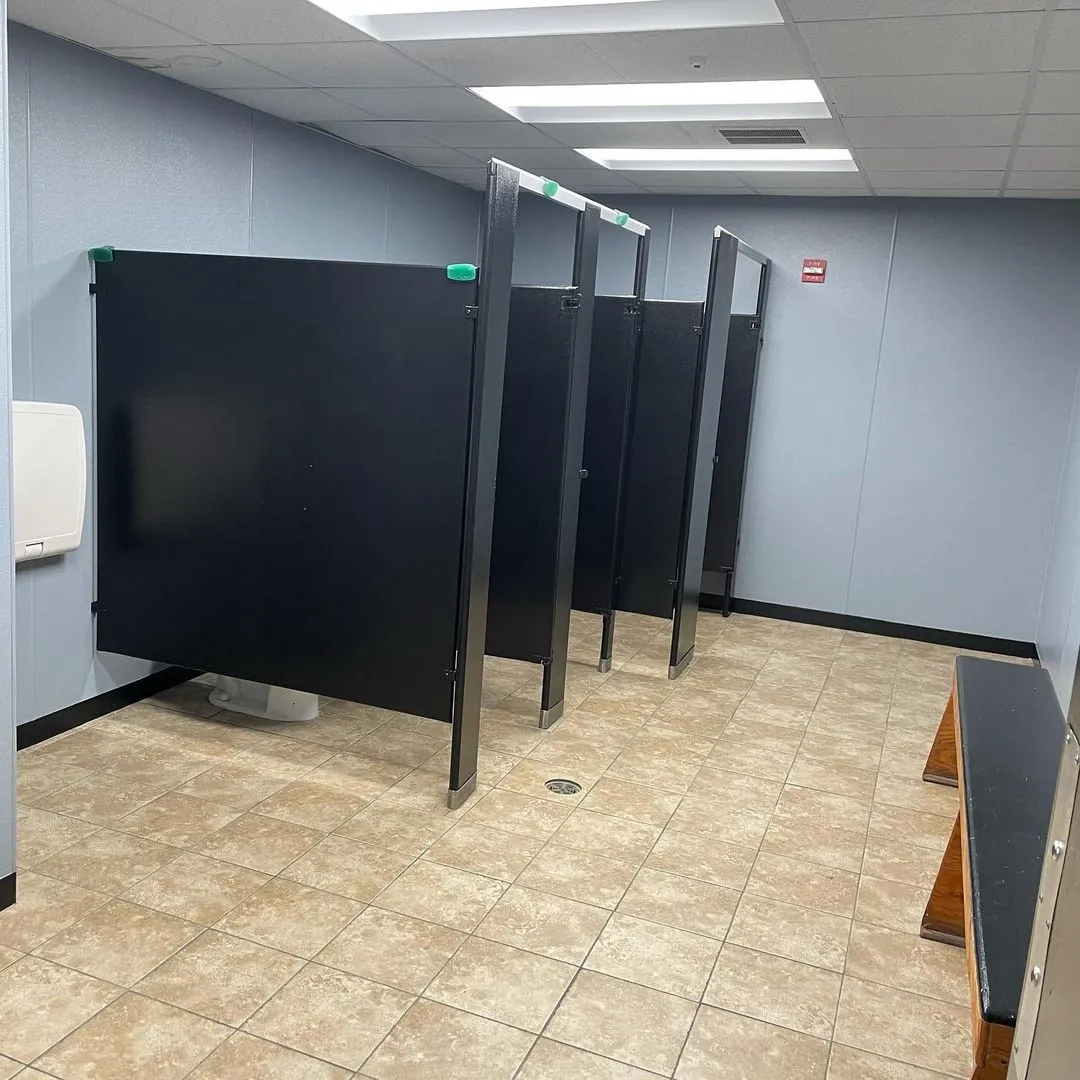
A school break can provide a useful painting window, but classroom contents, maintenance work, and reopening deadlines still need coordination. Work with the responsible facility staff to define access, material assessment, protection, and the areas included. Older building finishes should be assessed before disturbance where appropriate.
Map boards, displays, shelving, and equipment that will be removed or retained. Decide which attachment holes should be repaired before the new finish. Choose the coating system around the actual substrate and approved cleaning procedures, keeping decorative painting separate from specialized safety or compliance work.
Review samples under normal classroom lighting and agree on a sequence that leaves time for drying, final cleaning, and furniture return. Inspect behind storage before it is restored and verify that required labels and devices remain functional. Provide a room-based product record and care instructions so future maintenance staff can identify the correct finish without relying on memory.
Respect the operating needs of institutional spaces
Schools, worship spaces, and other institutions often have schedules and access rules that differ from ordinary offices. Identify events, occupied areas, storage needs, and any sensitive equipment before planning work. The responsible facility representative should approve access, protection, and reopening arrangements rather than leaving those decisions to assumptions on the day.
Treat existing finishes and building history seriously. Older materials may require assessment before disturbance, and specialized assemblies or required labels must remain functional. Keep painting separate from any claims about health, safety, or regulatory compliance that require qualified review. The coating system should suit the actual substrate and cleaning routine.
Use a sample area to agree on color and sheen in the real lighting, especially in large gathering rooms. Plan natural stopping points so partial completion remains orderly if the schedule changes. At handover, give staff clear care instructions and a location-based product record. The finished space should support its normal activities, with maintenance information that remains useful after the project team has left.
Build the schedule around business operations
Start with the activities that cannot move easily: appointments, deliveries, opening hours, events, and equipment use. Then identify genuine work windows and the time needed before each area can reopen. An evening application does not automatically make a room ready by the following morning. Product requirements and actual conditions determine that interval.
Coordinate preparation noise, odors, access restrictions, and cleanup with the person responsible for operations. Some tasks may be easier during unoccupied periods, while others require staff access or supervision. Agree on how schedule changes will be communicated and who can approve them. Avoid making decisions through several people with conflicting instructions.
Use milestones that describe usable areas rather than only calendar dates. For example, define when a reception wall is finished, inspected, cleaned, and released for normal use. Include contingency for repairs or unsuitable conditions discovered during preparation. A realistic operational schedule helps the business plan around the work and gives the contractor clear priorities when multiple areas compete for attention.
Prepare desks, electronics, and confidential materials
An office repaint involves belongings that should not be handled casually. Ask staff to secure documents, personal items, and sensitive materials before work begins. Decide who will disconnect or move computers, printers, and other equipment. Painting crews should not be expected to manage data, cables, or specialized devices without an agreed scope.
Label furniture positions and removable components when the arrangement needs to be restored accurately. Provide protected storage outside the active work zone where possible. Covers should suit the task and must not interfere with equipment that remains operating. Avoid trapping heat around devices or blocking building systems with stacked furniture.
Coordinate reoccupation after inspection, cleanup, and the coating’s required drying conditions. Let the responsible staff reconnect equipment and verify operation. Review walls behind desks before everything is returned, because those areas become difficult to access afterward. A simple contents plan reduces misplaced parts, repeated furniture moving, and damage to fresh finishes at the moment the office returns to ordinary use.
Check older finishes before disturbing them
The age and history of a surface matter before sanding, scraping, or demolition. An attractive top layer does not tell you what is underneath it. If the building or finish history is uncertain, pause before turning a cosmetic project into dust-producing work. Identification and assessment should come before the choice of tools.
For older painted surfaces, consult the EPA’s lead-safe renovation guidance and use an appropriately qualified professional where needed. Do not treat this general painting guide as a hazardous-material assessment. Similarly, do not disturb suspect ceiling or other materials simply to see how easily they come off.
Keep the distinction between ordinary preparation and specialized work clear in the estimate. Ask who will assess the material, what findings could change the scope, and when finishing can safely resume. The fact that a company offers painting or cleaning does not by itself establish qualifications for hazardous-material work. Taking time to resolve uncertainty protects the project from an inappropriate preparation method and helps everyone understand what is actually included.
Connect the commercial finish schedule to daily operations
For each area, record what touches the surface and how it is maintained. Include cleaning products, carts, furniture, frequent hand contact, and any unusual exposure. These observations help the responsible staff and manufacturer select a suitable system more effectively than a generic request for durable paint.
Write the specification by substrate and location. Name preparation, repair limits, primer, finish, color, and sheen, and identify excluded equipment or specialized assemblies. If technical performance is required, have it specified through the appropriate expertise rather than attaching a performance claim to ordinary decorative work.
Approve a representative sample and establish how substitutions will be reviewed. Keep the accepted system consistent across phases and document any change before application. At handover, convert the specification into a practical maintenance map with curing and cleaning guidance. This gives facilities staff enough information to order compatible materials and assess later repairs. A well-described system supports predictable work without pretending that one coating or sheen name answers every operational condition in the building.
Make a removal and restoration plan for signs and labels
Photograph signs, labels, and mounted information before masking or removal. Identify which items must remain available during the work and coordinate any temporary arrangement with the responsible owner or facility staff. Required information and operating labels should never disappear simply because they sit on a surface being repainted.
Label removable hardware and record its location. Confirm whether the same signs will return, whether mounting holes will change, and who handles electrical or specialized fixtures. Resolve those decisions before repairs and finish coats, so reinstallation does not require unplanned drilling through a completed surface.
Review color and sheen beside the actual sign where appearance matters. Reflections or a changed background can affect how it reads. After the coating permits reassembly, restore items through the agreed process and check alignment, legibility, and function. Keep required labels and controls free from paint. A finished wall is only part of completion when people also need the information and equipment attached to it to use the space normally.
Coordinate final cleaning with newly completed finishes
Newly painted, stained, or installed surfaces may not tolerate their normal cleaning routine immediately. Obtain the product-specific timing and care instructions before scheduling a final clean. Distinguish removal of loose work debris from washing a fresh coating. A surface can look finished while still needing protection from moisture, pressure, or adhesive materials.
Complete remaining dusty work and remove construction waste that falls outside ordinary cleaning first. Then use suitable tools to clean accessible surfaces without redistributing grit. Protect edges, hardware, and delicate materials, and keep products away from incompatible neighboring finishes. Do not scrape unexplained marks from new glass or stone without checking the manufacturer’s guidance.
Inspect the space before returning furnishings or opening it to normal traffic. Confirm that surfaces are dry, routes are clear, and no cleaning residue remains where it should have been removed. Record any defects that require the finishing contractor rather than attempting an improvised repair during cleaning. A coordinated final clean preserves the new work and makes the handover easier to assess.
Give facilities staff a practical handover
A useful handover tells the next person how to maintain the result. Organize product names, colors, sheens, and surface locations into a readable record. Include the preparation or primer where it affects future compatibility. Label any retained materials clearly and store them according to product instructions and the facility’s procedures.
Review the cleaning plan with the people who will actually use it. Explain when normal cleaning may begin and identify methods the coating manufacturer does not support. A finish can be damaged by an otherwise familiar maintenance routine if that routine is unsuitable for the new product or begins before curing is complete.
Walk the completed areas together and document remaining items with precise locations. Clarify responsibility for later damage from furniture installation, signage, or other trades. Establish a practical approach to future touch-ups, including when a full wall may need recoating for consistency. The handover should leave a clear record of what was finished and how it should be treated, rather than only a collection of nearly empty containers.
Planning your next step
Use the inspection notes and sample decisions from this guide to describe the work you want completed. Bring photographs of uncertain areas and list the surfaces that should be included before comparing estimates. For broader background, read our Commercial Painting: The 10 Things to Consider When Painting Your Commercial Property, or review AK Painters Pro Corp.’s services.
When you are ready to discuss the scope, request a free estimate. Related reading: