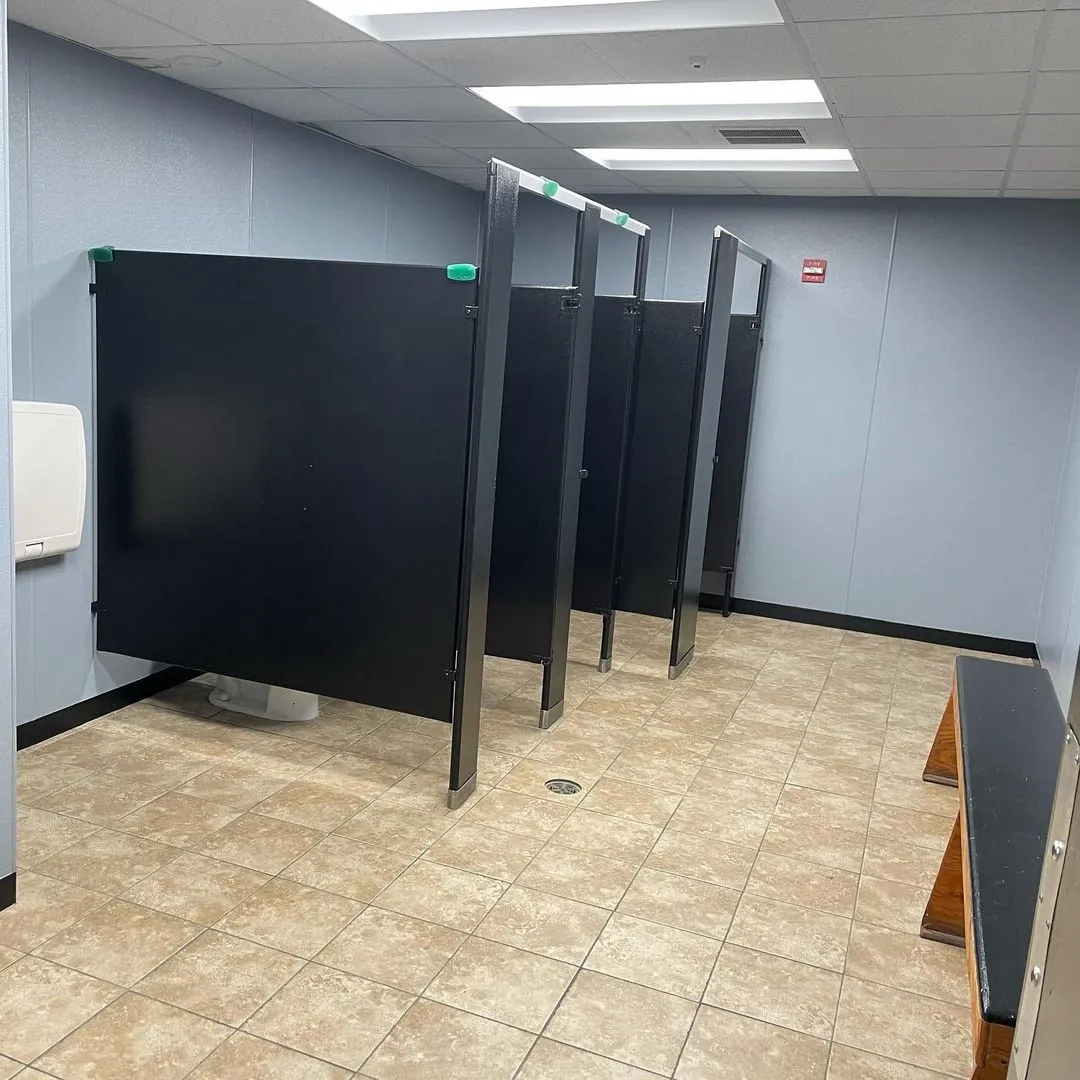
The maintenance team should be involved before a commercial coating is selected, not only after it is applied. Record the products, tools, and procedures used to clean each area. Verify that the proposed finish supports the intended use through its technical guidance and manufacturer advice where needed.
Distinguish ordinary cleaning from any formal disinfection or facility-specific protocol. Decorative paint should not be used to imply a health or regulatory benefit that has not been established. Agree on when routine maintenance can begin after application, including any curing restrictions.
Test approved cleaning methods discreetly and inspect the dry result for changes in sheen or color. Update written instructions so future staff do not return to an incompatible routine. If damage appears, identify whether it comes from abrasion, chemistry, early cleaning, or another cause before repainting. A documented care plan protects the result and makes repeated maintenance problems easier to diagnose.
Coordinate coating choices with cleaning procedures
Ask how the space is cleaned before selecting the finish. The type of cleaner, frequency of washing, tools, and expected contact can all affect compatibility. This is particularly important in facilities with established cleaning protocols. A coating described as washable does not automatically support every chemical or procedure used in the building.
Review the proposed product’s technical information with the responsible facility staff and supplier. Where necessary, obtain manufacturer confirmation for the intended use. Avoid making health, sanitation, or regulatory claims based only on a paint’s marketing description. Ordinary painting is not a substitute for the facility’s required cleaning and operational controls.
Allow the specified cure before exposing the finish to routine cleaning. Test approved maintenance methods in a discreet area and observe any change in sheen or color. Document the product and care instructions for future staff, since the people managing the building may change after the project. The goal is a finish that can be maintained within the real operating routine, with its limits understood from the beginning.
Write a coating schedule by surface and use
A commercial coating schedule should identify each surface and the product system intended for it. Include substrate, preparation, primer where required, finish, color, and sheen. Walls in a quiet office, frequently cleaned doors, and exposed metal components may need different systems even when the building uses a consistent color palette.
Discuss the actual cleaning and wear conditions. The product’s technical information should support the intended use, including the facility’s routine maintenance methods. Avoid selecting solely by sheen name or an unsupported claim that a coating is suitable for every high-traffic area. Where performance is important, involve the manufacturer or the facility’s technical adviser.
Approve a representative sample before broad application. Keep product substitutions controlled so the result remains compatible with the specified system and maintenance plan. At completion, provide or retain a readable schedule that facilities staff can use for repairs. A clear specification improves consistency across phases and makes future touch-ups less dependent on someone’s memory of which white paint was used in which corridor.
Separate ordinary cleaning from a disinfection task
Removing visible soil and using a disinfectant are different tasks. Decide what the surface actually needs and follow the product label for the intended use. A general cleaning guide should not be treated as a medical or infection-control protocol. Facilities with formal procedures should use those procedures and their responsible staff’s direction.
For any labeled disinfectant use, confirm surface compatibility and follow the instructions for preparation, application, contact time, ventilation, and any required rinsing. Do not improvise mixtures or assume that a stronger concentration is better. Keep products away from children and pets, and avoid applying them to materials the label does not support.
Consider the finish as well as the base material. Repeated use of an incompatible product can damage paint, metal coatings, or sealed surfaces. Test where appropriate and retain the care information for future cleaning. If the task involves unusual contamination or health-related concerns, seek the appropriate professional guidance rather than relying on an ordinary household cleaning visit to resolve it.
Test cleaning on a painted surface before treating the mark
Check the coating record and its curing requirements first. If that information is missing, treat the surface cautiously and choose a discreet area for testing. A painted finish may tolerate ordinary wiping while remaining vulnerable to strong chemicals, abrasives, or concentrated pressure.
Collect loose dust and grit with a suitable tool before introducing a compatible cleaner. Use controlled moisture and keep liquid away from damaged areas and electrical fittings. Follow the cleaner and coating guidance for residue removal, then wait until the test area dries before judging the appearance.
Compare sheen as well as color. A mark can disappear while leaving a polished-looking patch caused by rubbing. If the remaining defect appears to be wear, embedded staining, or missing paint, stop cleaning and consider the appropriate repair. Record what products were used so a painter can account for them later. This deliberate trial protects a broad visible surface from becoming a larger problem through repeated treatment of a small area that was never ordinary dirt.
Let the product instructions determine contact and rinsing
Cleaning products need to be used as directed to work as intended. Read the label for the surface type, dilution, contact time where applicable, and rinsing requirements. Do not assume that spraying and immediately wiping is suitable for every task, or that leaving a product longer always improves the result.
Work in an area small enough to control. Prevent a product from drying where the instructions do not allow it, and keep it away from incompatible neighboring materials. Never combine products to create a stronger mixture. If a cleaner does not remove the soil under the approved conditions, reassess the material and the nature of the mark before escalating.
After the required treatment, rinse or remove residue as directed and let the surface dry before inspection. Streaks or dullness may come from remaining product rather than remaining dirt. Use clean water and tools where the method calls for them. A correct sequence produces a more useful result than repeated applications that leave an increasingly heavy film behind.
Organize cleaning tools by the job they will do
Lay out the tools before cleaning and assign them to separate tasks. Keep a cloth for delicate finished surfaces apart from one used for gritty lower edges or heavily soiled fixtures. A simple grouping system prevents cross-use when the work becomes busy. Check each tool for trapped particles and dried product before it touches a visible finish.
Use these checkpoints as the work progresses:
- Change to a clean cloth face when the current one is visibly soiled.
- Replace dirty water or pads instead of extending them across another room.
- Set aside a tool immediately if it collects sharp debris or an unknown substance.
- Follow the tool manufacturer’s washing and drying instructions before reuse.
Choose attachments and brushes for the actual material rather than using pressure to overcome a poor fit. A narrow soft tool may reach a profile more effectively than a large pad that rubs only its high points. When a mark remains, reassess it before escalating abrasion. Tool cleanliness and suitability protect the surface throughout the job, not just during the first pass.
Create a finish map that another person can understand
Use a simple plan or room list to connect every finish to its location. Write the product line, manufacturer, color, sheen, and any primer beside the relevant surface. Include special preparation only where it affects future work. Someone unfamiliar with the project should be able to identify the system without opening several containers and guessing.
Photograph readable labels and keep them with the written map. Record approved samples, completion dates, and care restrictions. Label retained materials and store them according to their instructions. An unidentified remainder is less useful than a clear product record, particularly after storage or aging changes its condition.
Update the map after repairs or later phases. Mark substitutions explicitly and keep the old information as history rather than allowing contradictory notes to circulate. When a problem returns, add its location and observed pattern before treatment removes the evidence. These records support maintenance and estimates, while keeping expectations realistic: a saved formula helps identify the finish but cannot guarantee that fresh material will disappear into an aged surrounding surface.
Give facilities staff a practical handover
A useful handover tells the next person how to maintain the result. Organize product names, colors, sheens, and surface locations into a readable record. Include the preparation or primer where it affects future compatibility. Label any retained materials clearly and store them according to product instructions and the facility’s procedures.
Review the cleaning plan with the people who will actually use it. Explain when normal cleaning may begin and identify methods the coating manufacturer does not support. A finish can be damaged by an otherwise familiar maintenance routine if that routine is unsuitable for the new product or begins before curing is complete.
Walk the completed areas together and document remaining items with precise locations. Clarify responsibility for later damage from furniture installation, signage, or other trades. Establish a practical approach to future touch-ups, including when a full wall may need recoating for consistency. The handover should leave a clear record of what was finished and how it should be treated, rather than only a collection of nearly empty containers.
Planning your next step
Use the inspection notes and sample decisions from this guide to describe the work you want completed. Bring photographs of uncertain areas and list the surfaces that should be included before comparing estimates. For broader background, read our Commercial Painting: The 10 Things to Consider When Painting Your Commercial Property, or review AK Painters Pro Corp.’s services.
When you are ready to discuss the scope, request a free estimate. Related reading: