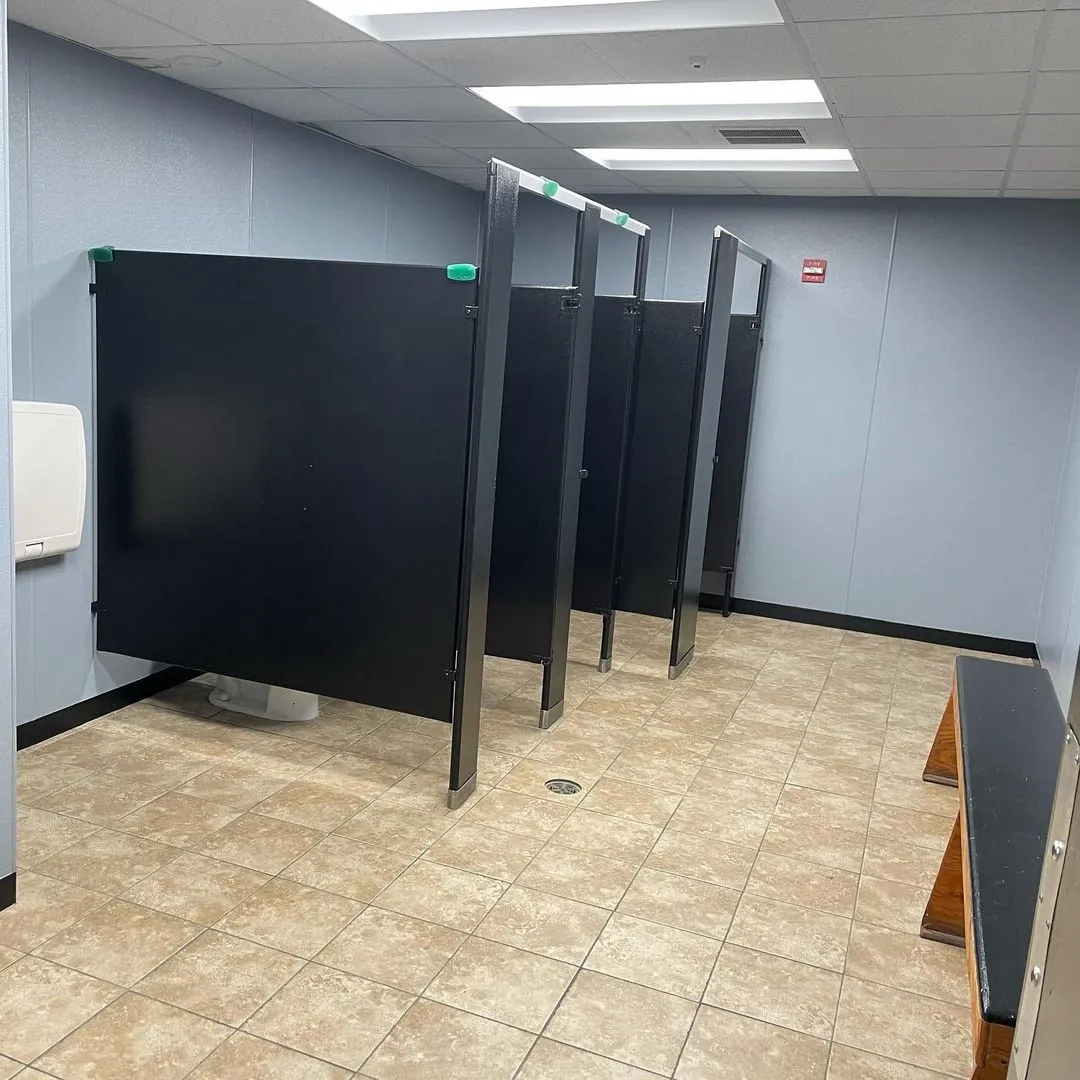
A touch-up program begins with knowing which product is on each surface. Create a room or zone map that records color, sheen, product line, and any special primer. Similar whites in neighboring areas should remain distinct in the record so maintenance staff do not discover a mismatch after application.
Track recurring damage by location and cause. A cart corner, chair back, or cleaning method may repeatedly wear the same spot. Addressing that contact can reduce repairs more effectively than adding paint more often. Keep the preparation and application method consistent with the original system.
Test repairs after drying under normal light. When a patch remains visible, plan a complete wall or component coat at a natural boundary. Review the program periodically with facilities staff and update records after each larger repaint. The aim is an orderly maintenance process with realistic appearance expectations, not a promise that every isolated repair will disappear into an aged finish.
Decide when a spot repair will be visible
Touch-ups work best when the surrounding finish is sound and the repair is small, but even matching paint can show. Age, sunlight, cleaning, sheen, surface texture, and the application tool all affect the result. Begin with the original product records if available. A color name alone may not identify the same coating or finish.
Clean and prepare the damaged area appropriately, then test the repair in a discreet location. Use a technique that matches the existing texture rather than applying a thick patch in the hope of hiding the defect. Let the trial dry fully before comparing it in both daylight and the room’s normal artificial light.
If the patch remains obvious, consider repainting the complete wall or component to a natural boundary. Repeatedly enlarging a spot can create a growing halo of different texture and sheen. Discuss that possibility before starting so the scope can expand deliberately if needed. Keep leftover paint and application notes afterward, while recognizing that future aging may still make another touch-up more noticeable.
Keep a useful record for future maintenance
Save more than the color name. Record the manufacturer, product line, sheen, color formula or code, and the surface where each product was used. Note the primer and any special preparation that mattered. A photograph of the label can be useful, but keep a readable written copy as well so the information is not lost among unrelated pictures.
Create a simple room or surface map. Similar whites on a ceiling, wall, and baseboard can become difficult to distinguish months later. Label leftover containers clearly and store them according to their instructions, away from children and unsuitable temperatures. Do not combine unidentified leftovers in an effort to save space.
Add the completion date, agreed care instructions, and any areas that need monitoring. A recurring stain or peeling patch may point to a condition beyond the coating itself. Records help a future contractor understand what has already been tried. They also make small repairs more efficient, although stored paint and a matching formula cannot guarantee an invisible touch-up after the surrounding finish has aged.
Connect the commercial finish schedule to daily operations
For each area, record what touches the surface and how it is maintained. Include cleaning products, carts, furniture, frequent hand contact, and any unusual exposure. These observations help the responsible staff and manufacturer select a suitable system more effectively than a generic request for durable paint.
Write the specification by substrate and location. Name preparation, repair limits, primer, finish, color, and sheen, and identify excluded equipment or specialized assemblies. If technical performance is required, have it specified through the appropriate expertise rather than attaching a performance claim to ordinary decorative work.
Approve a representative sample and establish how substitutions will be reviewed. Keep the accepted system consistent across phases and document any change before application. At handover, convert the specification into a practical maintenance map with curing and cleaning guidance. This gives facilities staff enough information to order compatible materials and assess later repairs. A well-described system supports predictable work without pretending that one coating or sheen name answers every operational condition in the building.
Choose details that suit repeated contact
In busy areas, wear often concentrates below shoulder height, beside handles, and along corners. Observe how people and equipment move through the space before choosing a coating or repair scope. Carts, bags, chairs, and cleaning tools can produce different kinds of damage. Addressing the source of contact may be as valuable as changing the paint.
Select a coating whose intended use and maintenance guidance fit the surface. Prepare damaged areas properly so the finish has a sound base. If protective hardware or guards are part of the plan, coordinate their installation and appearance before painting. Do not add attachments to regulated or specialized assemblies without the appropriate approval.
Use an approved sample to evaluate color, sheen, and cleaning response. Keep expectations realistic: a durable coating still needs suitable care and cannot prevent damage from repeated impact. After completion, review the first areas that show wear and adjust the maintenance or furniture arrangement if necessary. Product records and a consistent touch-up method make this ongoing attention more efficient.
Coordinate coating choices with cleaning procedures
Ask how the space is cleaned before selecting the finish. The type of cleaner, frequency of washing, tools, and expected contact can all affect compatibility. This is particularly important in facilities with established cleaning protocols. A coating described as washable does not automatically support every chemical or procedure used in the building.
Review the proposed product’s technical information with the responsible facility staff and supplier. Where necessary, obtain manufacturer confirmation for the intended use. Avoid making health, sanitation, or regulatory claims based only on a paint’s marketing description. Ordinary painting is not a substitute for the facility’s required cleaning and operational controls.
Allow the specified cure before exposing the finish to routine cleaning. Test approved maintenance methods in a discreet area and observe any change in sheen or color. Document the product and care instructions for future staff, since the people managing the building may change after the project. The goal is a finish that can be maintained within the real operating routine, with its limits understood from the beginning.
Use a location-based repair list for larger projects
Large properties benefit from a repair list that can be understood without a verbal tour. Assign each area a clear name and record the defect, approximate location, and agreed treatment. Photographs help, especially where several rooms look similar. Separate cosmetic damage from conditions that require another trade or further investigation.
Review the list before preparation begins and update it when concealed conditions appear. Changes should be specific and approved through the agreed contact. Avoid allowing a growing collection of informal requests to replace the written scope. That makes it difficult to know whether an item was included, postponed, or completed.
Inspect repaired areas before final coating, then revisit the same list during handover. Mark resolved items and record any maintenance observations. A location-based record also helps future staff recognize whether a crack, stain, or wear pattern is returning. It turns the finishing project into useful building information without making unsupported promises that every defect has been permanently eliminated.
Prepare the maintenance information before the final meeting
Collect product and location records as the work progresses instead of trying to reconstruct them from leftover containers at the end. Include accepted samples, preparation notes that matter to future compatibility, and any substitutions approved during the project. Organize the information by room or surface so facilities staff can use it without knowing the conversation history.
At the final meeting, review the completed scope and a single list of outstanding items. Explain when cleaning and ordinary contact may resume, using the exact product guidance. Clarify responsibility for damage caused by later installation or moving work so fresh defects do not become confused with unfinished painting.
Give staff a practical way to identify materials for future repairs. Discuss the limits of spot touch-ups and when a full plane may need recoating for consistency. Store records where later staff can find them and update them after maintenance changes. The handover is complete when the property has both an inspected finish and understandable instructions for caring for that finish in daily use.
Set priorities without weakening the preparation
When the budget is limited, reduce the scope thoughtfully. Finishing fewer complete surfaces well is often more useful than spreading the same effort thinly across every room. Identify what matters most: a damaged wall, frequently used trim, a visible entrance, or a surface that needs protective maintenance. Rank those needs before choosing optional color changes.
Keep necessary preparation attached to the surfaces you select. Omitting cleaning, compatible priming, or agreed repairs can undermine the finish you are paying for. Discuss alternatives in concrete terms, such as retaining a sound ceiling or postponing a closet interior, instead of asking for an unspecified reduction in quality.
Plan later phases so they meet at natural boundaries. Corners, doorways, and complete boards usually create clearer stopping points than the middle of an uninterrupted surface. Record the products and colors for the next phase, while recognizing that aging can still affect the match. A phased project works best when access, cleanup, and future touch-ups are considered from the beginning rather than rediscovered each time work resumes.
Planning your next step
Use the inspection notes and sample decisions from this guide to describe the work you want completed. Bring photographs of uncertain areas and list the surfaces that should be included before comparing estimates. For broader background, read our Commercial Painting: The 10 Things to Consider When Painting Your Commercial Property, or review AK Painters Pro Corp.’s services.
When you are ready to discuss the scope, request a free estimate. Related reading: