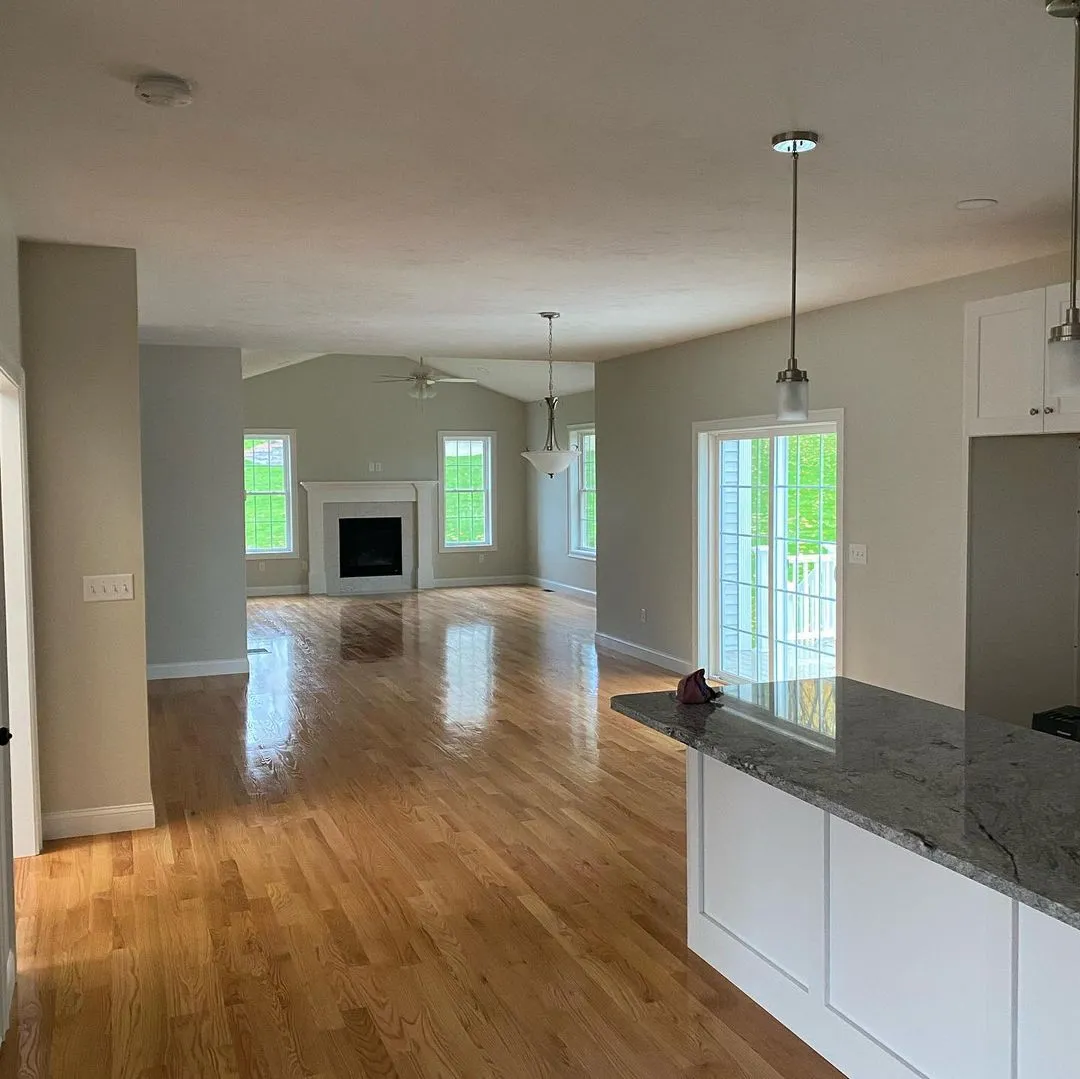
Painting Window Reveals for a Consistent Finish in Daylight
Window reveals sit where strong daylight meets narrow painted surfaces, making small defects surprisingly noticeable.
Articles 145–156 of 210
Window reveals sit where strong daylight meets narrow painted surfaces, making small defects surprisingly noticeable.

Cleaning behind furniture is more effective when movement is planned instead of improvised.
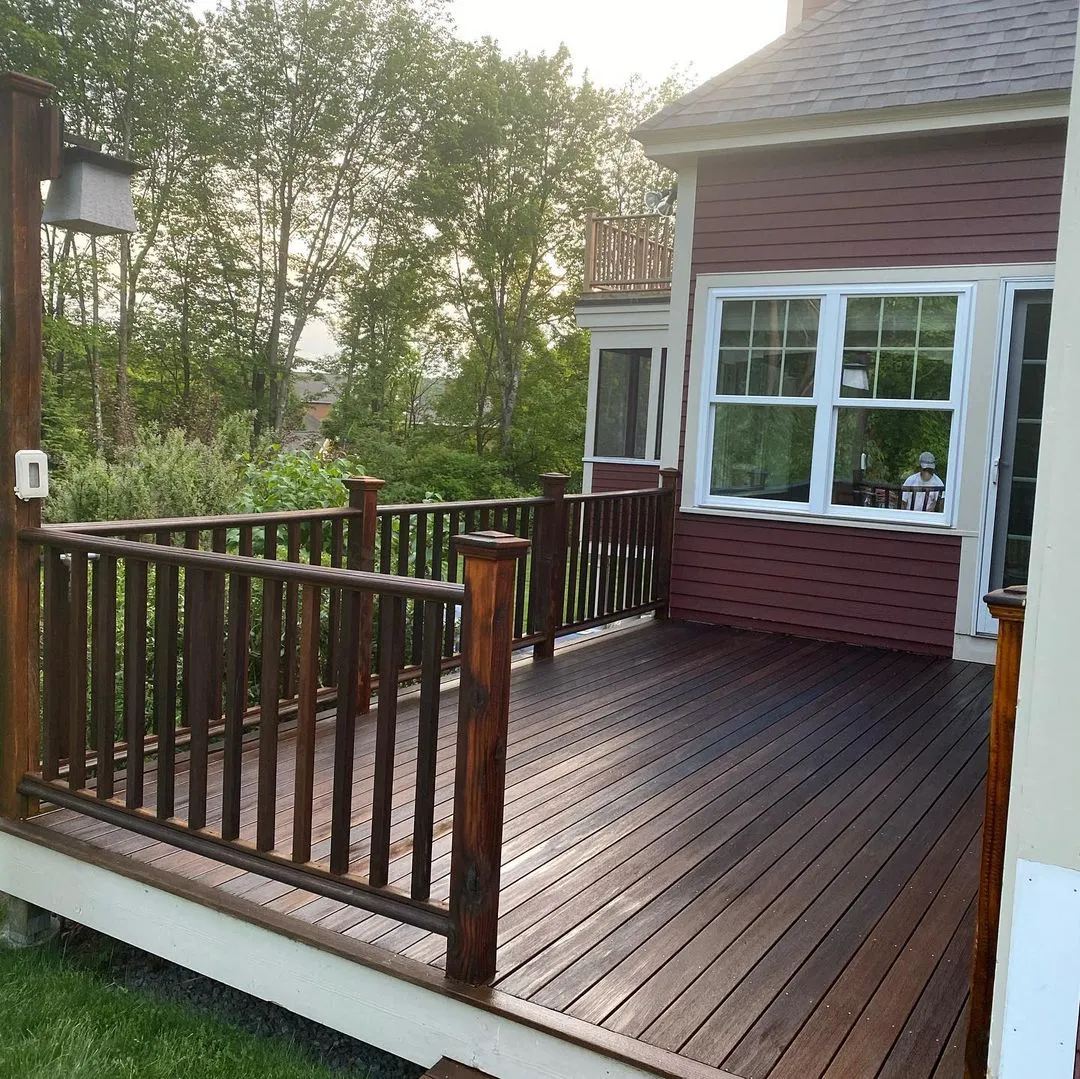
Large wood surfaces can show overlap marks when application sections do not connect consistently.
Bathroom vanity edges and handles receive frequent contact but are easy to overlook during a quick counter wipe.
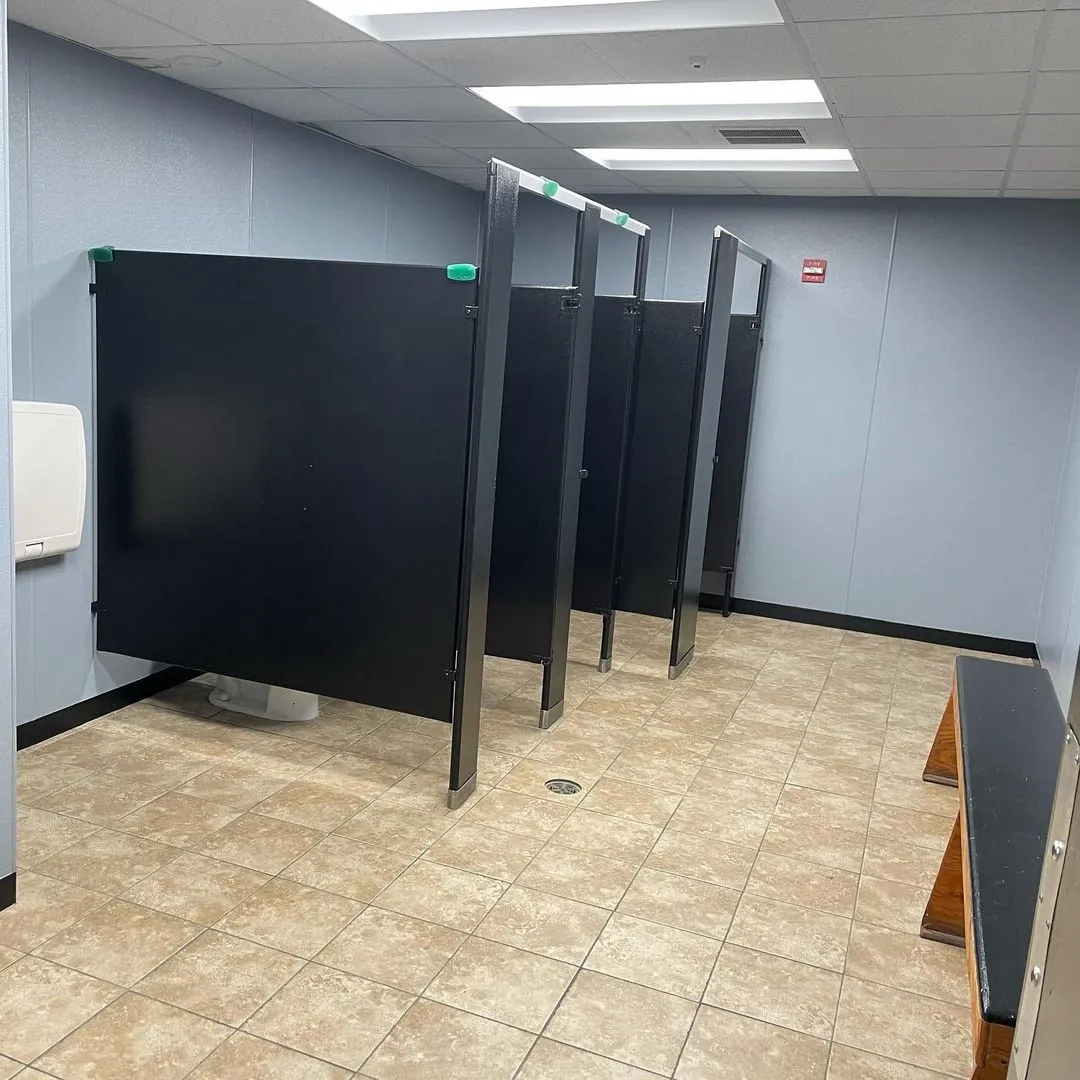
Warehouse offices may share entrances and air movement with active operational areas.
A small bathroom can contain a surprisingly complex set of surfaces and systems.
Windows after construction may carry dust, labels, coating residue, and marks that need different treatment.
A clear topcoat is part of a finishing system, not an automatic addition to every stained surface.
Construction dust on new paint creates a timing problem: the room needs cleaning, but the coating may not be ready for its normal maintenance routine.
Wallpaper covered by paint can conceal seams, multiple layers, and a wall condition that is difficult to judge in advance.
Replacement deck boards rarely look identical to weathered neighbors before finishing, and stain may preserve some of that difference.
A guest bedroom that is rarely used can still collect dust on shelves, window areas, and furniture edges.