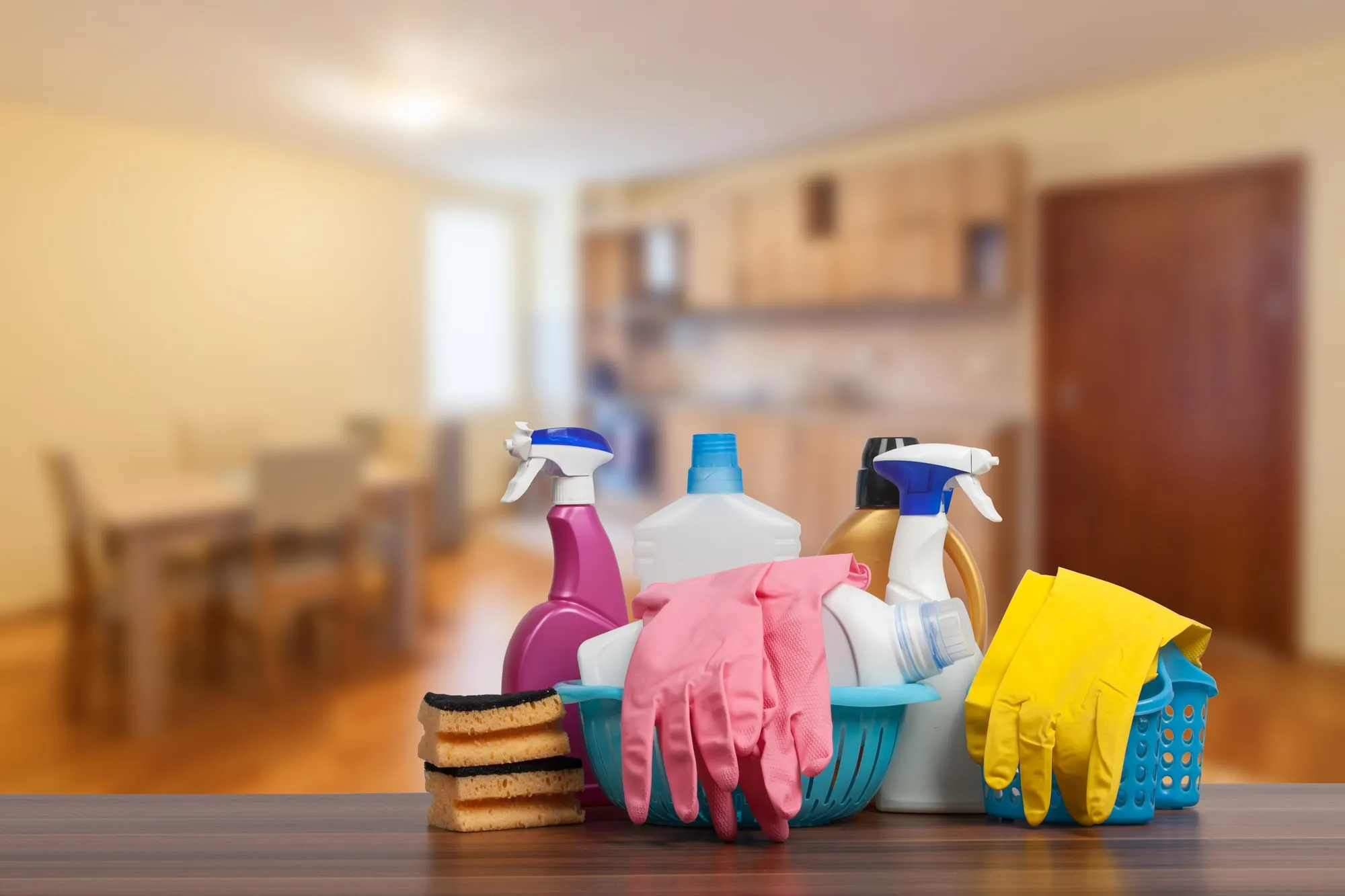
Cleaning Interior Doors and Handles Without Damaging Paint or Hardware
Interior doors gather hand marks around handles and along the edges people use instead of the hardware.
Articles 157–168 of 210
Interior doors gather hand marks around handles and along the edges people use instead of the hardware.
A sealed wood floor still needs a cleaning method appropriate to its exact finish and condition.
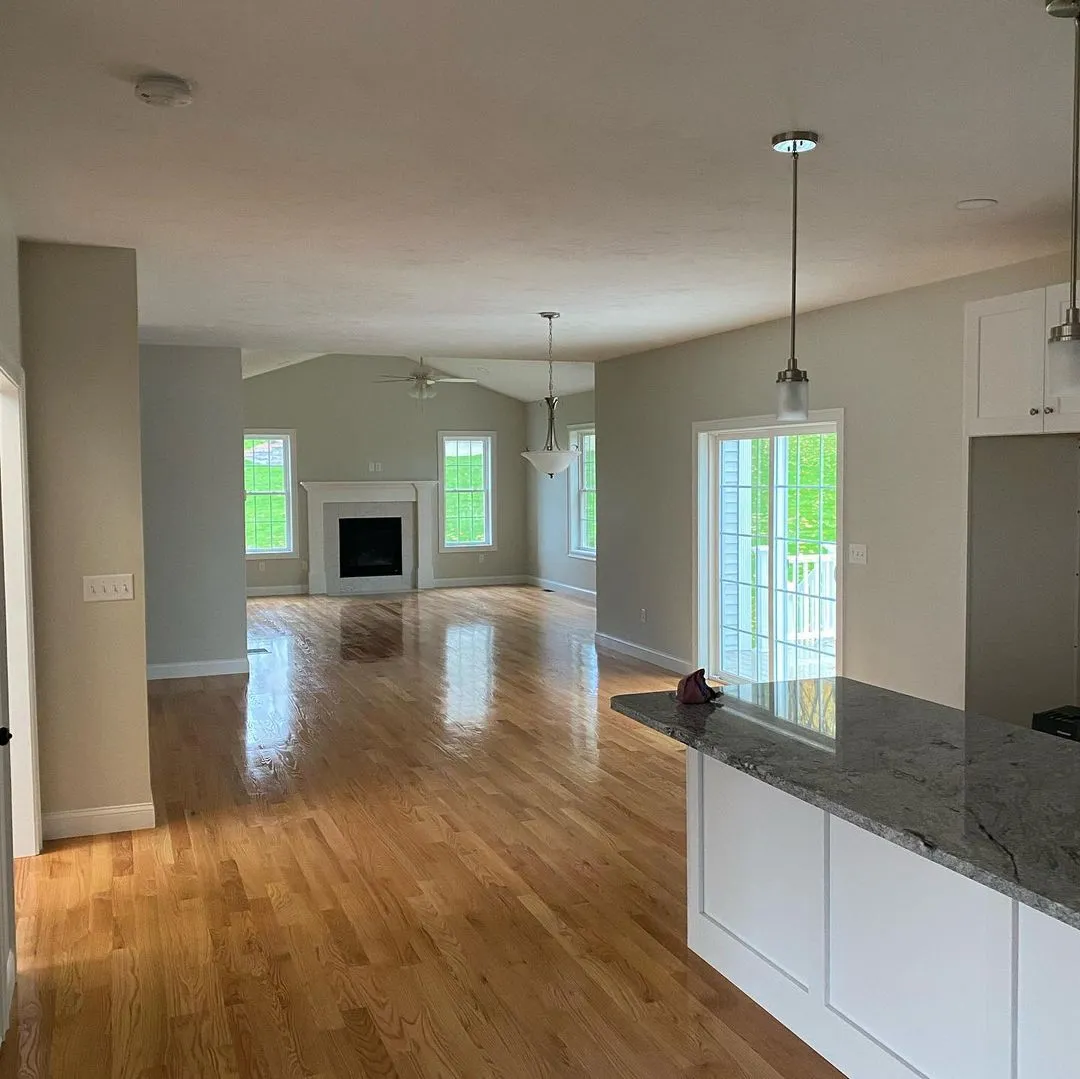
Wood floors occupy enough visual space to influence a room's wall color, even when their tone seems neutral.
Microwave cleaning should follow the appliance manual, including which parts are removable and which surfaces need special care.

Peeling around an exterior doorway often follows a specific pattern: the lower corners, a rubbed edge, or the joint beneath a threshold.
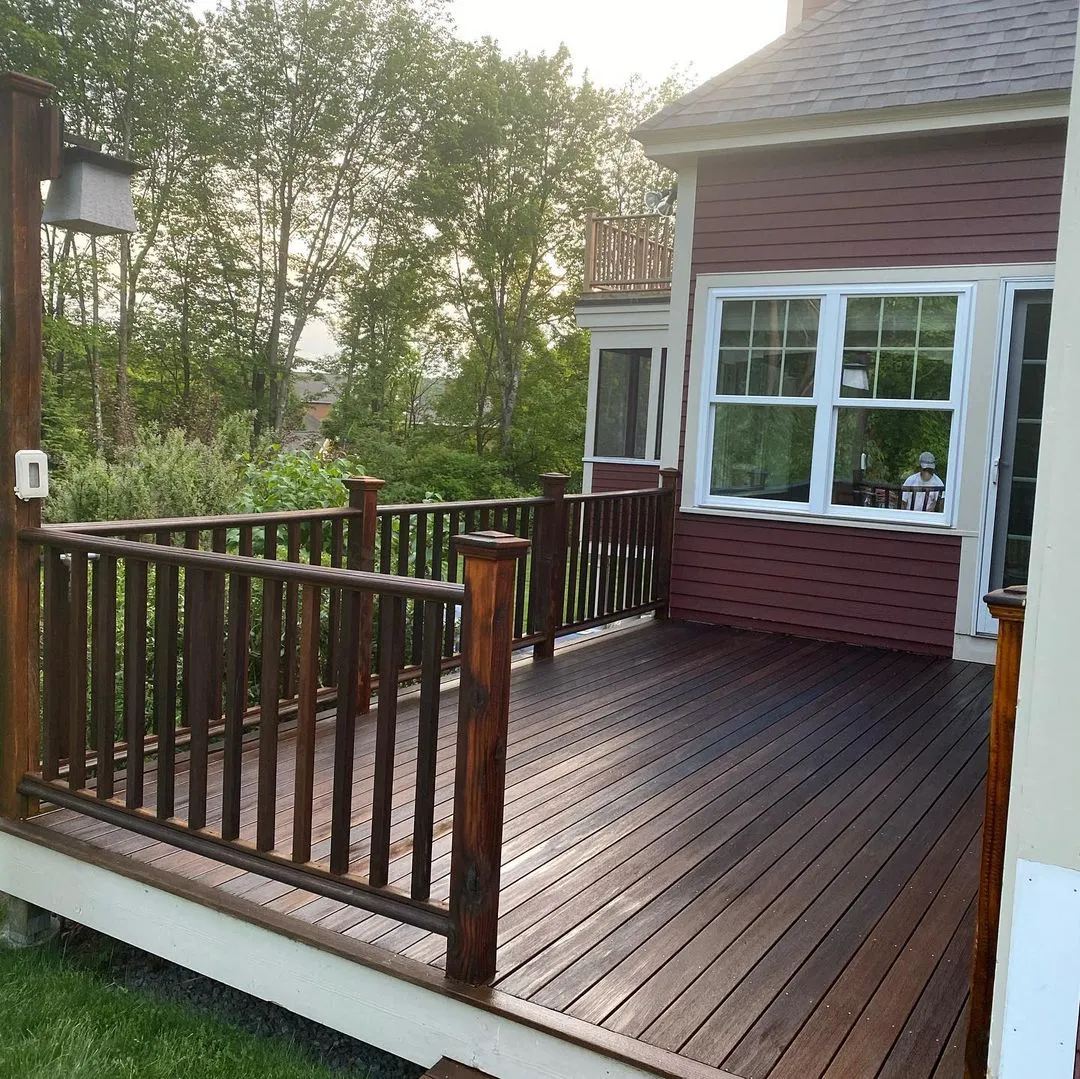
A tabletop is seen in broad light and used through repeated contact, spills, and cleaning.
Crown molding sits at a junction where small irregularities can cast noticeable shadows.
A covered porch contains wood surfaces with different demands even when they share a sheltered location.
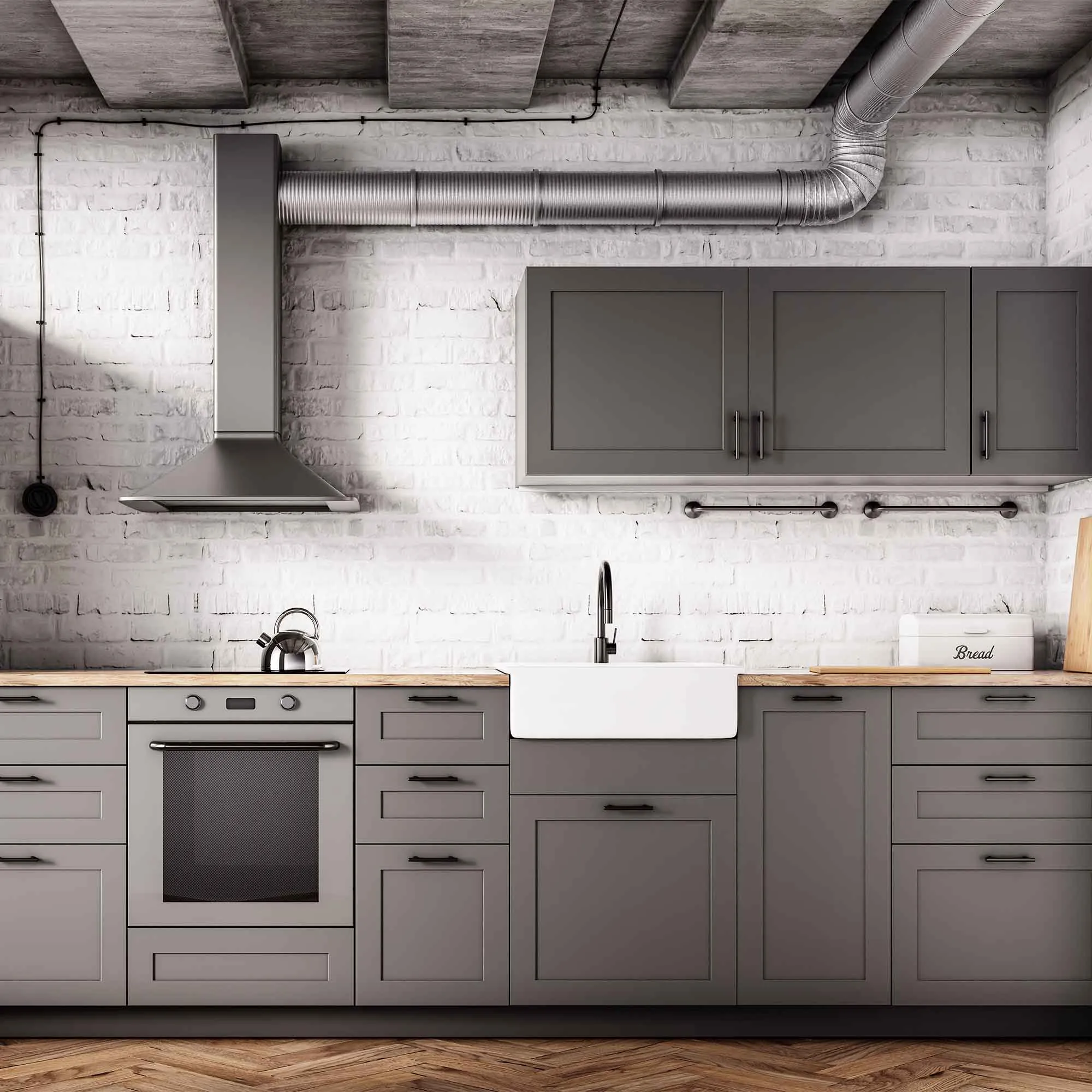
Oak cabinets can retain visible grain after painting, and that may be either welcome character or a mismatch with the desired result.
New flooring can make worn baseboards more noticeable, but painting beside a new floor requires careful coordination.
A tile floor that looks dull or feels sticky after cleaning may have residue rather than remaining dirt.
A feature wall works best when its boundary relates to the room rather than an arbitrary patch of open space.